Gorilla Monster Font for Bold Web Design
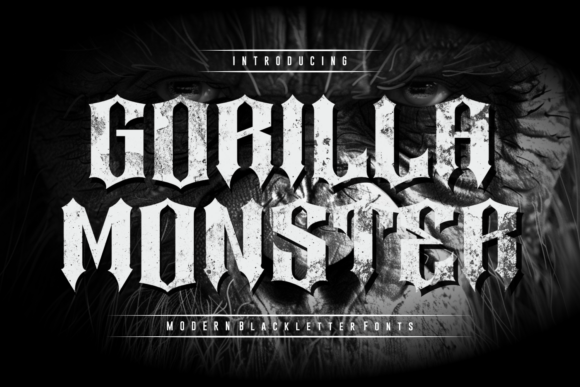
Gorilla Monster is a bold, gritty blackletter font that commands attention in any digital space. When designing high-impact landing pages or horror-themed websites, selecting the right fonts is critical for establishing immediate brand tone. This typeface offers a fierce and aggressive edge, making it an ideal choice for designers who need to convey power, danger, or raw energy through typography. Unlike traditional serif or sans serif options, this display font brings a textured, distressed aesthetic that breaks the mold of clean, corporate web design.
Using Gorilla Monster for Horror Theme Headers
Gorilla Monster excels when applied to hero sections that require an instant emotional response from the user. As a blackletter style with razor-sharp serifs, it creates a visual hierarchy that draws the eye immediately to the main headline. In the context of horror themes, movie promotions, or thriller book launches, standard fonts often fail to capture the necessary grit. This typeface fills that gap by providing a powerful presence that resonates with audiences seeking intense experiences. Web designers can leverage its aggressive edge to set the stage for immersive storytelling, ensuring that the first thing a visitor sees aligns perfectly with the narrative mood.
Optimizing Readability in Display Contexts
While Gorilla Monster is highly decorative, its readability depends on strategic placement within the layout. Because it is a blackletter font with complex textures, it should primarily be used for short phrases, titles, and logos rather than body copy. When integrating these fonts into a responsive web design, ensure that the font size is large enough to maintain legibility on mobile screens. The textured distressing can become muddy if scaled down too small, so it is best reserved for desktop hero banners and tablet headers where the details of the razor-sharp serifs can be appreciated. For smaller devices, consider using a simplified version or increasing letter spacing to prevent visual clutter.
Gorilla Monster for Brand Identity and Logos
Gorilla Monster serves as a strong foundation for brand identity projects that aim to stand out in crowded markets. Many creative entrepreneurs and boutique online store owners look for blackletter styles that convey authenticity and ruggedness. By incorporating this typeface into logo design, businesses can signal a bold, non-conformist attitude. When paired with minimalistic fonts for supporting text, the contrast enhances the overall professional appearance of the brand kit. This approach works particularly well for streetwear brands, gaming communities, and music labels that want to project a fierce image without sacrificing clarity in their digital communications.
Pairing Strategies for Digital Layouts
To maximize the impact of Gorilla Monster, pair it with clean, neutral typefaces. A simple sans serif font works best for body copy, creating a balanced visual rhythm that guides the user through the content. Since blackletter styles are heavy and dominant, the supporting fonts should remain understated to avoid competing for attention. This combination ensures that the aggressive edge of the header does not overwhelm the user experience. For editorial design or blog graphics, using a modern typography style for subheadings can bridge the gap between the gritty title and the informative content, maintaining a cohesive and professional look throughout the site.
Enhancing Conversion-Focused Landing Pages
Gorilla Monster can significantly influence user engagement on conversion-focused layouts by creating a sense of urgency and excitement. In call-to-action areas, such as limited-time offer banners or event registration pages, the powerful presence of this blackletter font captures attention quickly. Marketers and SaaS founders can use it to highlight key value propositions that require a bold statement. However, it is essential to use these fonts sparingly to maintain trust and professionalism. Overuse can lead to visual fatigue, so reserve the typeface for high-value elements like primary headlines, price tags, or exclusive badge labels that need to pop against a clean background.
Technical Implementation and Licensing
Before deploying Gorilla Monster on client projects or commercial websites, verify the licensing terms for web use. Most premium fonts require specific licenses for domain usage, especially for online stores and high-traffic landing pages. Ensure that the file formats provided include webfont options like WOFF or WOFF2 for optimal loading speeds and browser compatibility. Check for multilingual support if your target audience spans different regions, as some blackletter styles may have limited character sets. Additionally, review any included alternates or weights that might offer more flexibility in design, allowing for subtle variations in texture and intensity across different sections of the site.
Visual Hierarchy in Dark Mode Interfaces
Gorilla Monster performs exceptionally well in dark mode interfaces, where its textured distressing and sharp serifs create striking contrasts. Designers working on gaming apps or night-themed content sections can leverage this blackletter font to enhance visibility without relying on bright colors. The aggressive edge of the typeface stands out against dark backgrounds, making it a versatile tool for modern UI design. When using these fonts, pay attention to color contrast ratios to ensure accessibility standards are met. Light gray or white text on a black background can sometimes cause halation, so adjusting the weight or adding a subtle glow effect can improve readability while preserving the font’s gritty aesthetic.
Creating Consistent Online Experiences
Consistency is key when integrating Gorilla Monster into a broader digital ecosystem. Use the same typographic rules across social media graphics, email headers, and website banners to reinforce brand recognition. This blackletter style should become a recognizable signature element of the visual identity. By maintaining consistent usage of these fonts, designers create a cohesive narrative that users can easily follow across different platforms. Whether it is a course sales page or a portfolio site, the repeated application of the font’s fierce personality helps build a memorable and trustworthy online presence that resonates with the target audience.